Logistics work in Afghanistan is rarely straightforward. Conditions change so quickly, and planning most often needs adjustment after movement has already started. For numerous businesses, the goal is not speed alone, but consistency. When shipments move with fewer surprises, overall operations become easier to manage.
Road conditions differ from one place to another. Some routes allow steady movement, while others slow down because of terrain or seasonal factors. These conditions directly affect Afghan Shipping and Logistics, where delivery timelines may shift despite careful planning. To manage this, operators rely on practical route reviews rather than fixed schedules. Alternative corridors are considered, and timing is adjusted when weather or access becomes uncertain. This approach reduces disruption without overcomplicating transport plans.
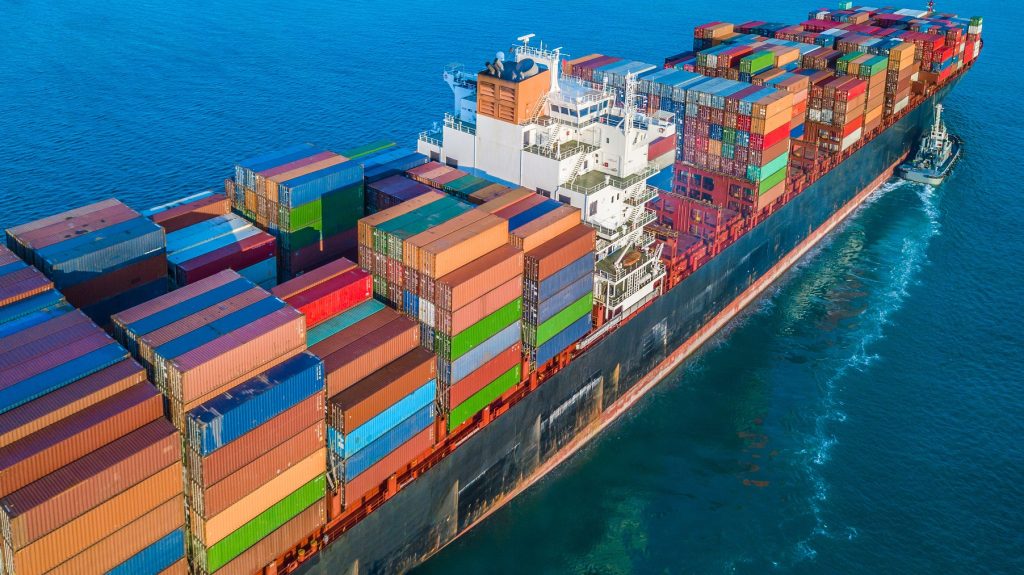
International movement brings its own challenges. Afghanistan relies on regional transit routes, which means border procedures play a significant role. Delays often occur when documentation does not fully match transit requirements or when multiple agencies are involved. Preparation makes a noticeable difference. Reviewing paperwork before dispatch and maintaining communication with border representatives assists in limiting unnecessary waiting. Consistency in documents usually leads to smoother movement.
Customs procedures can also vary depending on entry points and cargo categories. Businesses using Logistics Services Afghanistan sometimes experience delays due to minor classification or paperwork issues rather than major compliance problems. Careful documentation review helps avoid this. When cargo details are clear and prepared early, clearance tends to proceed with fewer interruptions.
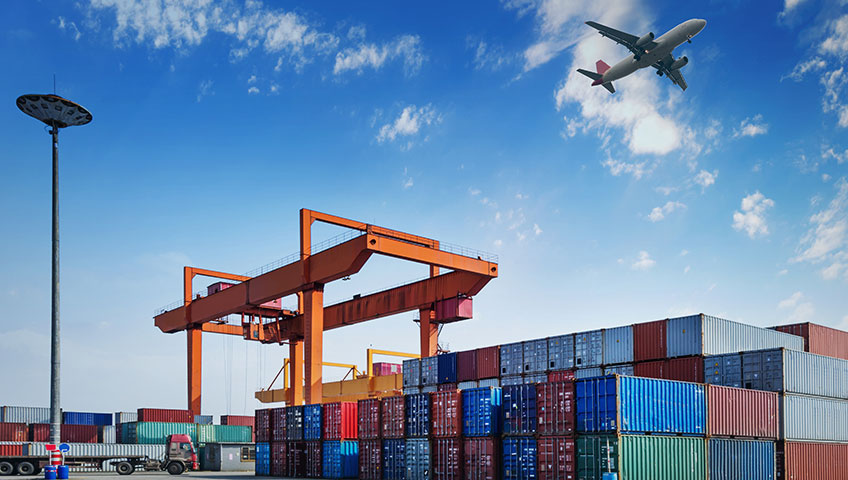
Security planning remains part of daily logistics decisions. Longer routes and temporary holding points increase risk exposure, particularly when shipments change hands frequently. Reducing stops and using known handling locations improves control. Monitoring movement during transit also helps identify issues before they escalate. Storage limitations present another challenge. In some areas, suitable facilities are limited, which affects how long goods can remain in transit or storage. Matching delivery timing with available space helps prevent extended holding periods. Short-term storage planning protects cargo condition.
Costs are influenced by fuel prices, transit fees, and administrative charges. Businesses working with Afghan Logistics Solutions often manage this by reviewing expenses in advance and allowing flexibility in planning. With steady preparation and regional understanding, logistics operations can remain reliable even in demanding conditions.
For more information, you can visit our website https://fgi.af/ or call us at +93 787 900008